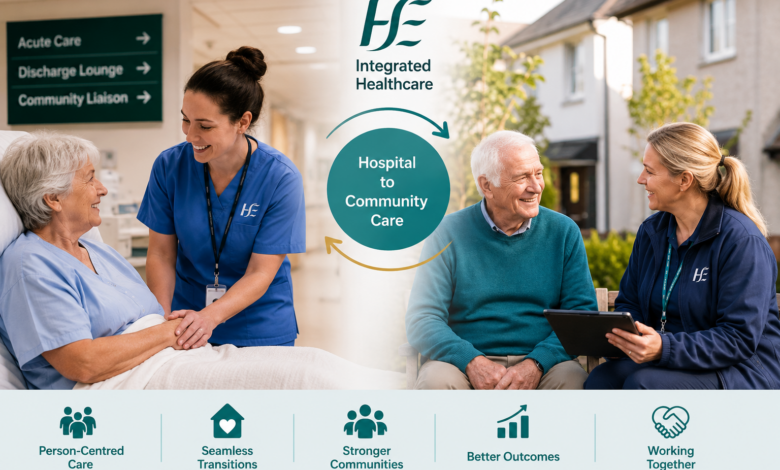
The HSE says around 400 teams showcased local innovations at its national integrated-care conference, as health leaders set out plans to expand services across hospital, community and home settings.
The Health Service Executive has outlined results from a series of community and integrated-care programmes as it prepares to expand successful service models across the country.

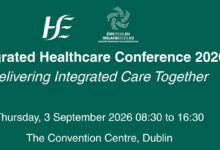
Around 400 teams showcased local innovations at the HSE Integrated Healthcare Conference in Dublin on Thursday, 3 September, according to a post-event statement from the health service. The HSE said the next phase of its reform programme would focus on scaling approaches already operating across hospitals, general practice, community services, specialist teams and virtual care.
Among the examples highlighted was a cardiology model developed by teams at St Michael’s Hospital and St Vincent’s University Hospital. The HSE said approximately 75% of patients presenting through the service with worsening heart failure could be stabilised safely in the community, reducing the need for acute hospital care.
A separate palliative-care initiative, the Future Care Plan, brings together specialist palliative-care services, the National Ambulance Service and GPs. Across participating pilot sites, the HSE said fewer than 3% of participants died in an acute hospital, compared with a national figure of 39% in 2023, while 81% remained at home following urgent requests for assistance.
The HSE also highlighted activity under the €240 million Enhanced Community Care Programme, which was established in 2021 under Sláintecare.
Community specialist teams delivered more than 1.7 million patient contacts during 2025, while community diagnostic services supported more than 248,000 tests, the HSE said.
More than 12,700 older people received a Comprehensive Geriatric Assessment through community teams. Of those discharged from older-person services, more than 83% returned home.
The health service also reported that 91% of people enrolled in its Chronic Disease Management Programme now receive their care through general practice rather than an outpatient department.
In Dublin North County, the HSE said more than 1,100 people who had faced long waits were removed from physiotherapy waiting lists through a primary-care therapy initiative.