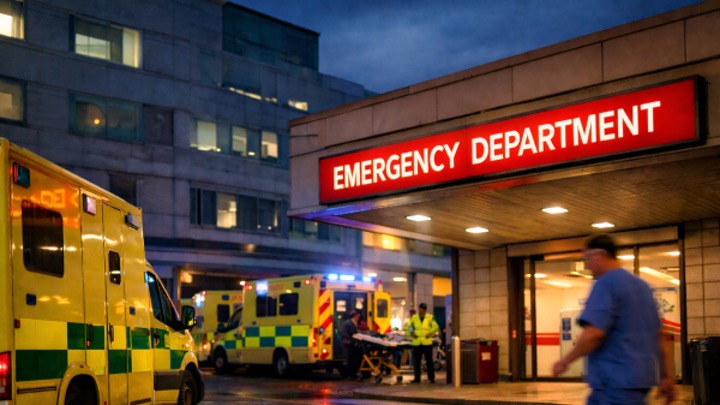
Hospitals across the HSE Dublin and South East region are facing high patient volumes and increasing complexity of care, with the HSE acknowledging that numbers of patients awaiting admission on trolleys in emergency departments and in some cases on wards are high this week.
In a press release published on 13 January 2026, the HSE said the situation is not the standard of care it wants for patients, describing prolonged waits for an inpatient bed as a patient safety issue.


The HSE stated that, regionally, Wexford General Hospital and Tipperary University Hospitals are extremely busy, with large numbers of people presenting to emergency departments.
Dr Vida Hamilton, Regional Clinical Director for HSE Dublin and South East, said that many attendees require admission for ongoing treatment, which is contributing to pressure on bed availability. She noted that patients who are seriously injured or ill are prioritised, while those who do not require urgent care may face long waiting times.
The HSE said it is working to optimise patient flow through hospitals and reduce trolley numbers, describing the reduction of trolley waits as a continuing focus. It added that efforts are being made to discharge patients who are medically fit to go home so beds can be made available for those who need admission as early as possible.
The HSE apologised for the inconvenience and distress caused by delays and asked the public to consider other care pathways where appropriate. If a health problem is not an emergency, the HSE advised contacting a GP during normal hours or a GP out-of-hours service in the first instance.
Discover more from The Irish Nurse
Subscribe to get the latest posts sent to your email.